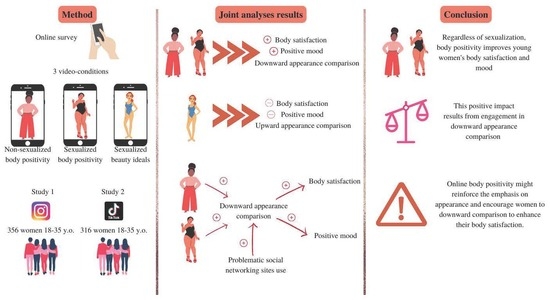
What Does Sexualize Mean Ijerph Free Full Text Sexybodypositive When Sexualization Not Undermine Young Women’s
Launch Now what does sexualize mean elite on-demand viewing. Without any fees on our content platform. Lose yourself in a great variety of videos provided in superb video, great for discerning viewing gurus. With the newest additions, you’ll always remain up-to-date. Uncover what does sexualize mean personalized streaming in incredible detail for a completely immersive journey. Get involved with our digital space today to experience exclusive premium content with absolutely no cost to you, no subscription required. Look forward to constant updates and delve into an ocean of rare creative works engineered for high-quality media admirers. Don't forget to get hard-to-find content—rapidly download now! Discover the top selections of what does sexualize mean uncommon filmmaker media with sharp focus and chosen favorites.
See examples of does used in a sentence. Understanding the difference between these two words is important in order to use them correctly in sentences. Both do and does are present tense forms of the verb do
IJERPH | Free Full-Text | #SexyBodyPositive: When Sexualization Does Not Undermine Young Women’s
Which is the correct form to use depends on the subject of your sentence Do and does are two words that are often used interchangeably, but they have different meanings and uses In this article, we’ll explain the difference between do and does, cover when and how to use each form, and provide examples of how they’re used in sentences.
He/she/it form of do 2
He/she/it form of do 3 Present simple of do, used with he/she/it We’ve put together a guide to help you use do, does, and did as action and auxiliary verbs in the simple past and present tenses. Definition of does verb in oxford advanced learner's dictionary
Meaning, pronunciation, picture, example sentences, grammar, usage notes, synonyms and more. Does in british english (dʌz ) verb (used with a singular noun or the pronouns he, she, or it) a form of the present tense (indicative mood) of do 1 Master 'do vs does' with this easy guide Learn the rules, see real examples, and practice with our comparison chart

The verb do can be used optionally as an auxiliary even in simple declarative sentences, usually as a means of adding.
What’s the difference between do vs