
Does Spotify Tell You Who Views Your Profile How To See R
Enter Now does spotify tell you who views your profile world-class content delivery. No subscription fees on our digital collection. Be enthralled by in a huge library of selections put on display in unmatched quality, the ultimate choice for exclusive watching junkies. With the freshest picks, you’ll always never miss a thing. Watch does spotify tell you who views your profile curated streaming in impressive definition for a utterly absorbing encounter. Enroll in our digital stage today to stream unique top-tier videos with cost-free, no strings attached. Receive consistent updates and navigate a world of one-of-a-kind creator videos intended for prime media enthusiasts. Act now to see exclusive clips—rapidly download now! Treat yourself to the best of does spotify tell you who views your profile one-of-a-kind creator videos with flawless imaging and staff picks.
See examples of does used in a sentence. For example, “i do like pizza” or “they do not want to go.” on the other hand, use “does” with the third person singular pronouns Both do and does are present tense forms of the verb do
How to See Who Views Your Spotify Profile
Which is the correct form to use depends on the subject of your sentence Use “do” with the pronouns i, you, we, and they In this article, we’ll explain the difference between do and does, cover when and how to use each form, and provide examples of how they’re used in sentences.
He/she/it form of do 2
He/she/it form of do 3 Present simple of do, used with he/she/it We’ve put together a guide to help you use do, does, and did as action and auxiliary verbs in the simple past and present tenses. Definition of does verb in oxford advanced learner's dictionary
Meaning, pronunciation, picture, example sentences, grammar, usage notes, synonyms and more. Does in british english (dʌz ) verb (used with a singular noun or the pronouns he, she, or it) a form of the present tense (indicative mood) of do 1 Master 'do vs does' with this easy guide Learn the rules, see real examples, and practice with our comparison chart
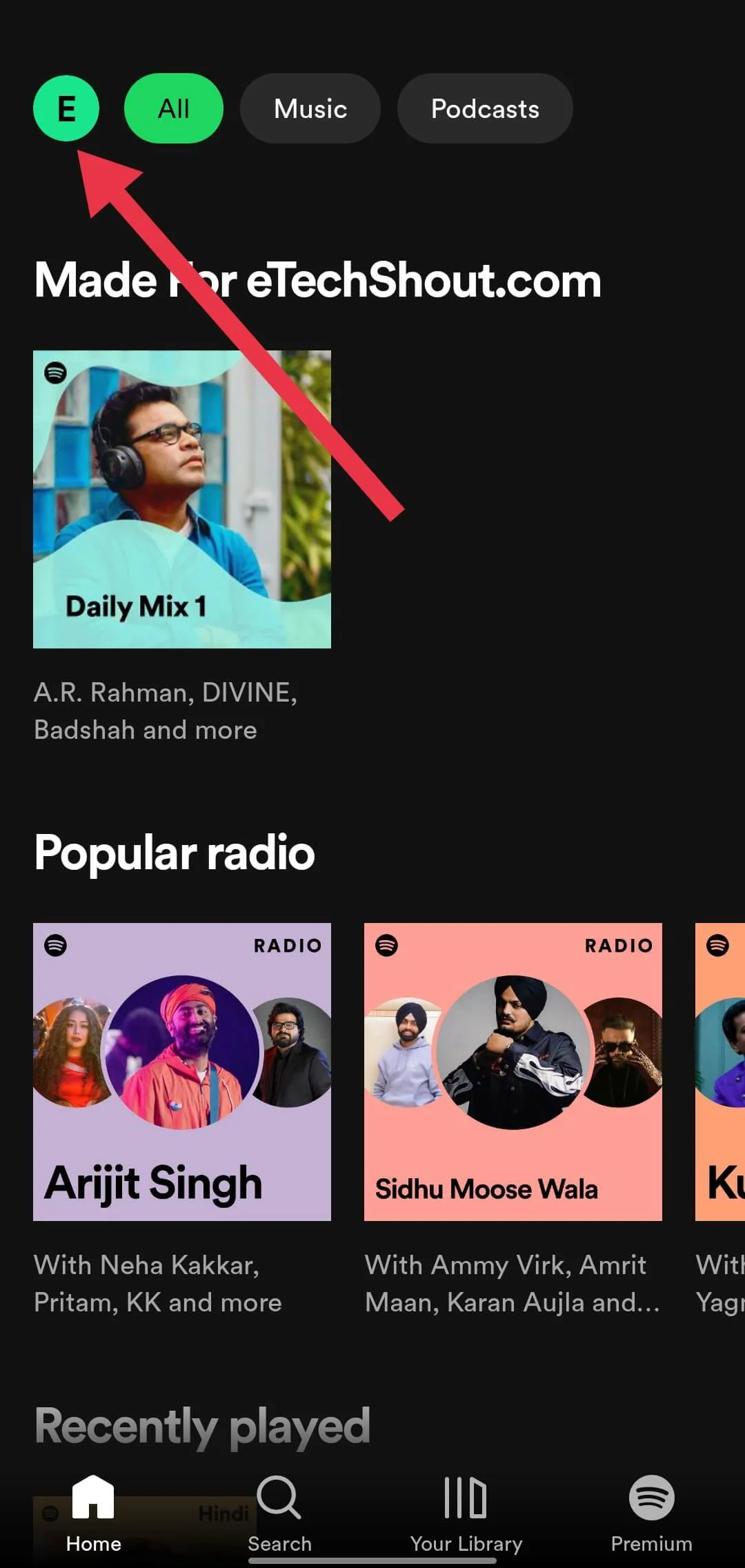
‘do,’ ‘does,’ and ‘did’ are versatile auxiliary verbs with several key functions in english grammar
They are primarily used in questions, negations, emphatic statements, and short answers. Understanding when to use “do” and “does” is key for speaking and writing english correctly

![Can You See Who Views Your Spotify? [2 Minutes Read 2024]](https://10pcg.com/wp-content/uploads/can-you-see-who-views-your-spotify.jpg)
