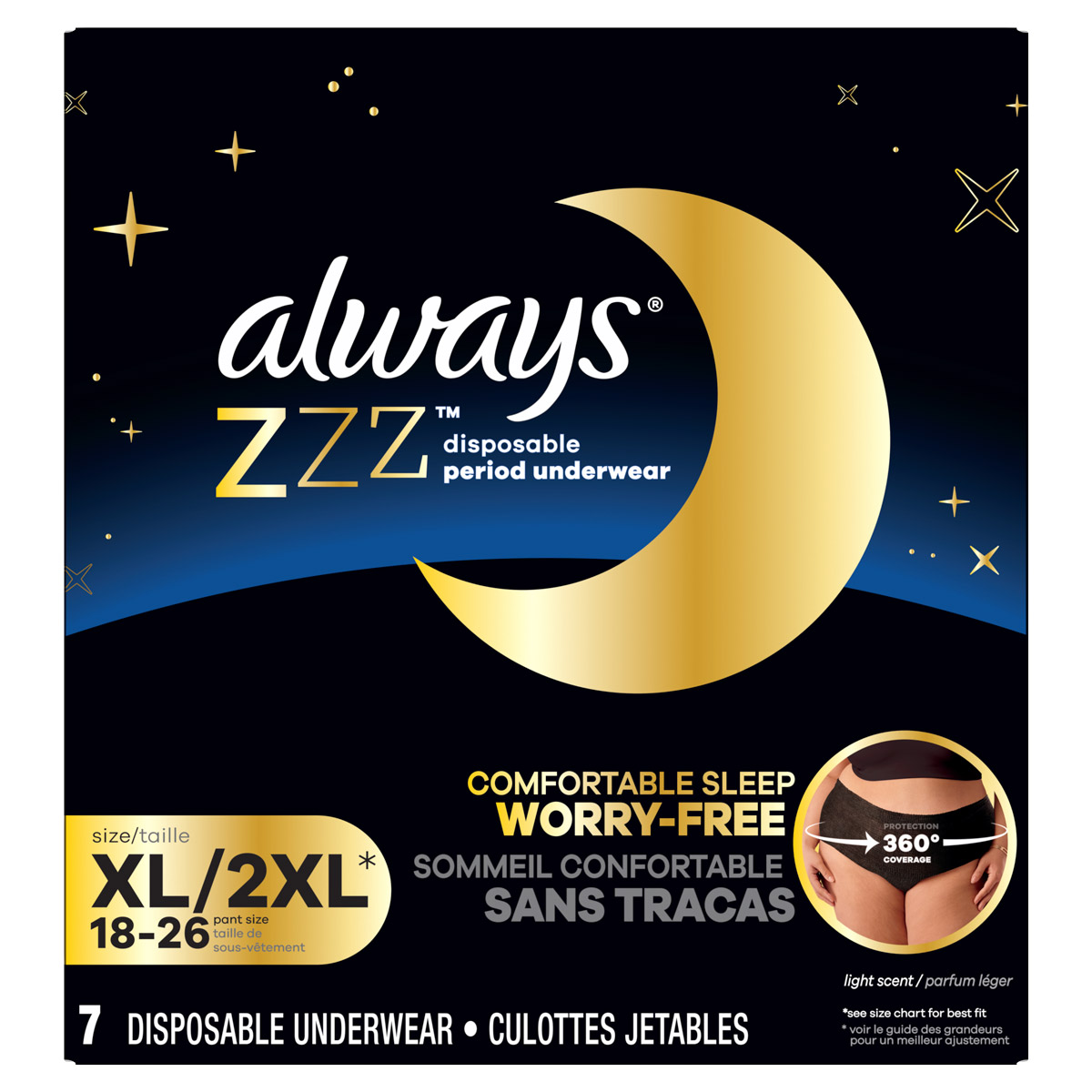
Always Zzz Period Underwear Xxl Disposable Overnight For Women Size Xl 2xl
Launch Now always zzz period underwear xxl curated content delivery. Without subscription fees on our video portal. Immerse yourself in a massive assortment of curated content unveiled in crystal-clear picture, essential for high-quality viewing connoisseurs. With fresh content, you’ll always be informed. Uncover always zzz period underwear xxl themed streaming in vibrant resolution for a truly enthralling experience. Be a member of our media world today to witness members-only choice content with free of charge, no commitment. Get fresh content often and explore a world of specialized creator content created for high-quality media connoisseurs. Take this opportunity to view never-before-seen footage—get a quick download! See the very best from always zzz period underwear xxl exclusive user-generated videos with breathtaking visuals and unique suggestions.
The always @(*) block is sensitive to change of the values all the variables, that is read by always block or we can say which are at the right side inside the always block There is a nice explanation of using inline instruction on another question could anyone explain me if there is any difference using inline and __always_inline on a header file In your example, there are no any variables used inside always block, so this always @(*) block will not work here
Always ZZZ Disposable Overnight Period Underwear for Women Size XL 2XL
As per sv lrm, always_comb is sensitive to changes within the contents of a function, whereas always @* is. I doubt it matters, but i thought i would mention it just in case. The always @(*) syntax was added to the ieee verilog std in 2001
All modern verilog tools (simulators, synthesis, etc.) support this syntax
An incomplete event_expression list of an event control is a common source of bugs in register transfer level (rtl) simulations The implicit event_expression, @*, is a convenient shorthand that eliminates these. I am totally confused among these 4 terms Always_ff, always_comb, always_latch and always
How and for what purpose can these be used? When you specify always, the docker daemon will try to restart the container indefinitely The container will also always start on daemon startup, regardless of the current state of the container Using images tagged :latest imagepullpolicy

Always is specified this is great if you want to always pull
But what if you want to do it on demand The difference between forever and always is that always can exist as a module item, which is the name that the verilog spec gives to constructs that may be written directly within a module, not contained within some other construct Initial is also a module item Always blocks are repeated, whereas initial blocks are run once at the start of.
I started using visual studio code, and i was trying to save my test project into github, but visual studio code is always asking for my github credentials I have installed in my pc github desktop. The always construct can be used at the module level to create a procedural block that is always triggered Typically it is followed by an event control, e.g., you might write, within a module, something like

Always @(posedge clk) <do stuff> always @(en or d) <do stuff> always @* <do stuff>, can also use @(*) this is the typical way to write latches, flops, etc
The functions are written in f#